Should You Use a Credit Card Abroad or Buy a Forex Card? Real Cost for Indians
Miles Go Round
Most Indian travellers still ask the same question before an international trip: should they use a credit card abroad or buy a forex card? For most travellers, the better answer today is a good credit card, not a forex card, especially now that India has multiple zero-forex and low-forex cards, including some that are lifetime free.
If you have a zero-forex or low-forex credit card, use it abroad. For most people, getting a better travel credit card is easier than buying and managing a forex card.
Credit Card vs Forex Card: The Real Cost for Indians
A forex card only looks cheaper when your current credit card has poor forex charges. If your card charges the usual 3% to 3.5% forex markup, then a forex card may save money. But if you have a 0% to 1% forex credit card, the credit card is usually the better tool because you do not need to preload money, you do not get stuck with leftover balance, and you may still earn rewards on your travel spending.
Some Credit Card Examples
Here are a few examples that show why forex cards are no longer the automatic default for Indian travellers:
| Card | Annual fee | Why it matters |
|---|---|---|
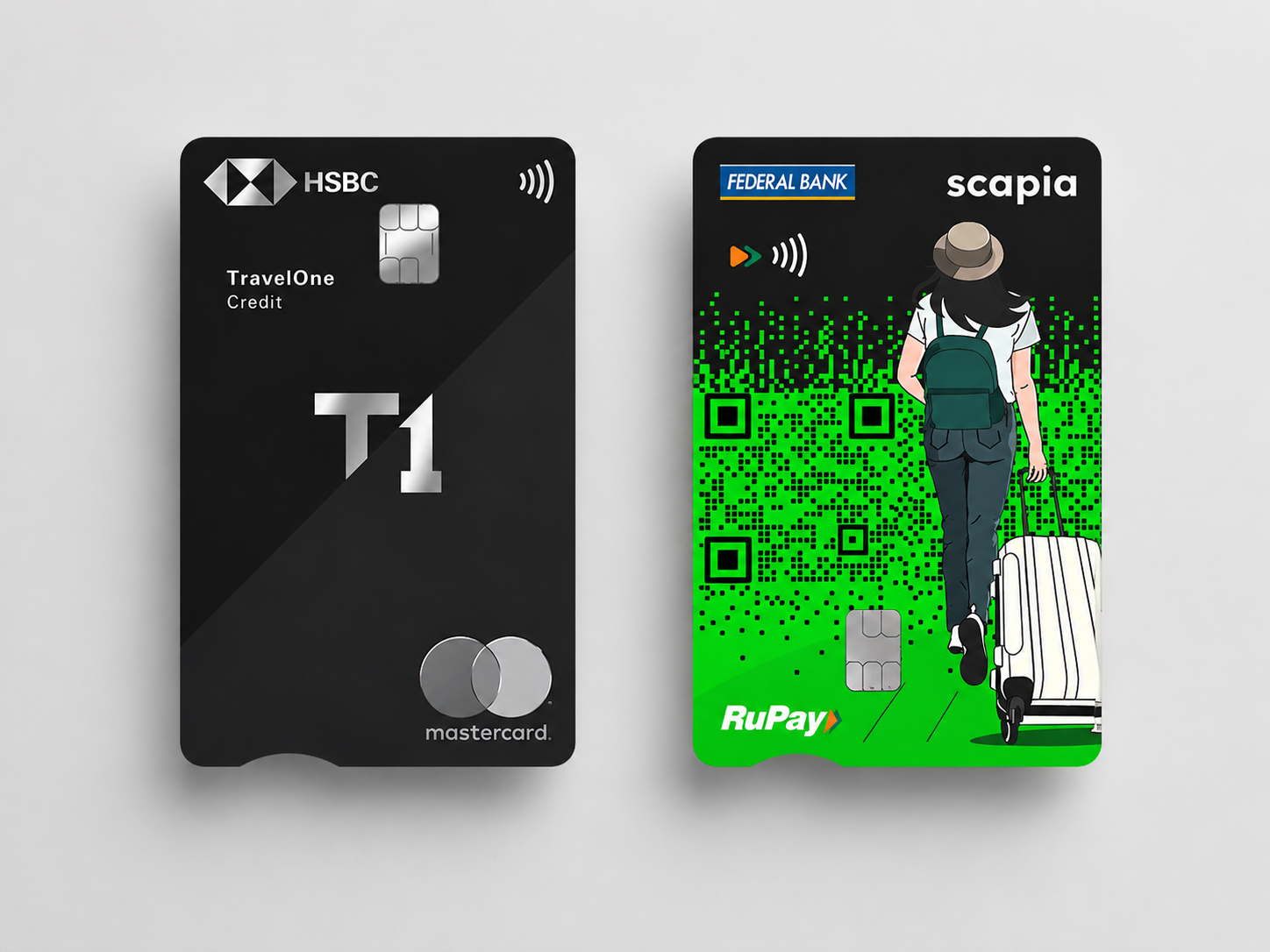
| Scapia Credit Card | Rs 0 | Lifetime free and 0% forex markup. |
| ixigo AU Credit Card | Rs 0 | Lifetime free and 0% forex markup. |
| IDFC FIRST WOW! Credit Card | Rs 0 | Lifetime free secured card with 0% forex markup. |
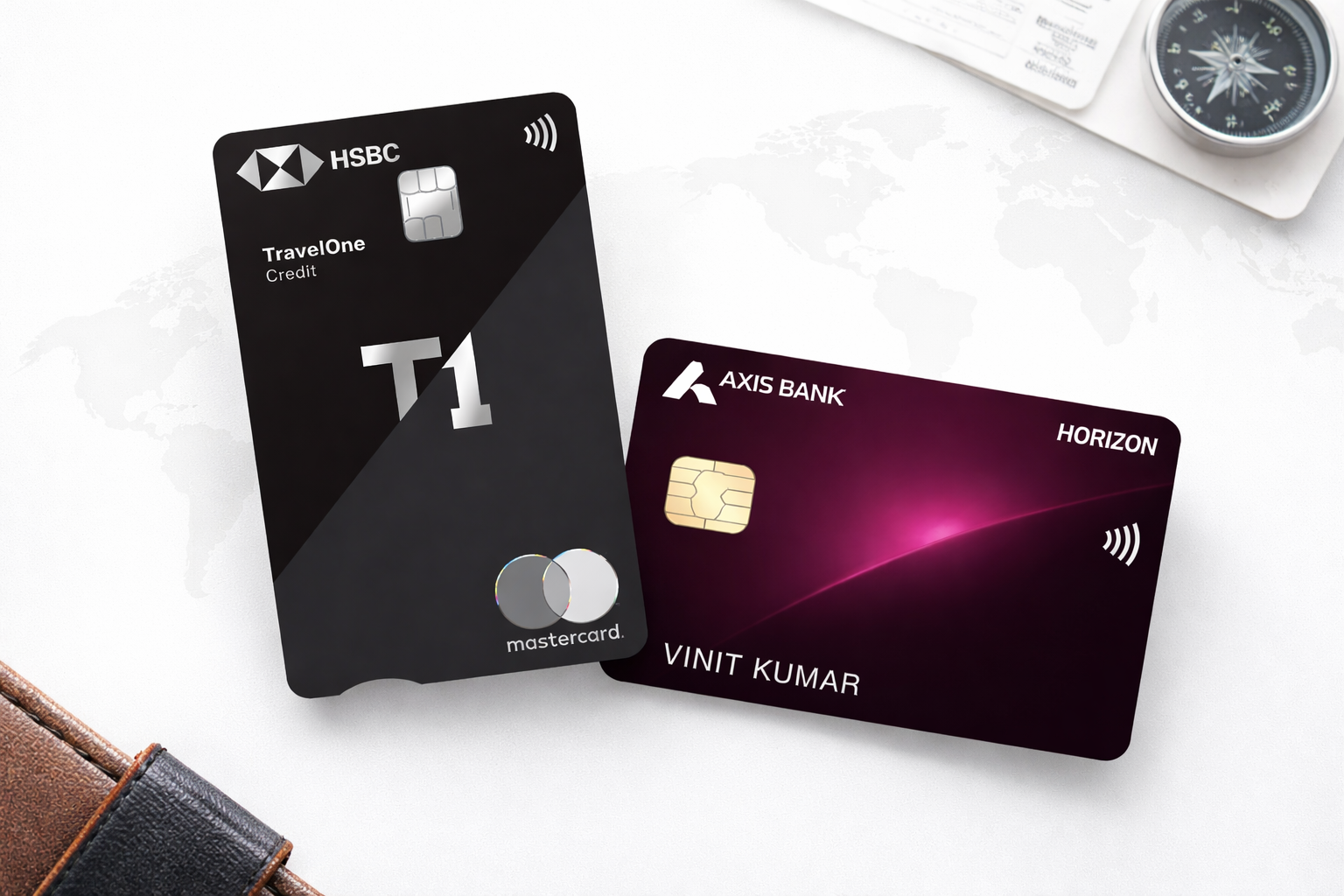
| HSBC TravelOne Credit Card | Rs 4,999 + GST | Strong travel rewards, and it can become even more attractive when HSBC runs promotional 0% forex offers. |
Once cards like these exist, it becomes much harder to argue that a forex card should be the default choice. This is not only about premium cards either. There are lifetime-free options, and there are even secured zero-forex cards for people who may not get a regular unsecured card easily.
When a Forex Card Still Makes Sense
A forex card still has a role, but it is now a narrower one. It mainly makes sense in two situations:
- You only have a credit card with high forex markup and do not want to switch to a better one before the trip.
- You specifically want a prepaid travel budget or expect to withdraw local cash more often.
Those are valid use cases, but for most travellers they are now exceptions rather than the default answer.
One important tip belongs here as well.
If a card machine abroad asks whether you want to pay in INR or in the local currency, choose the local currency almost every time. Paying in INR usually triggers dynamic currency conversion, which is often worse than your own bank or card network rate.
Final Verdict
For most Indian travellers, use a credit card abroad, not a forex card. Choose a zero-forex or low-forex card, carry a small amount of local cash, and keep things simple. Use a forex card only when your current credit card is weak and you do not want, or cannot, move to a better one.
Topics